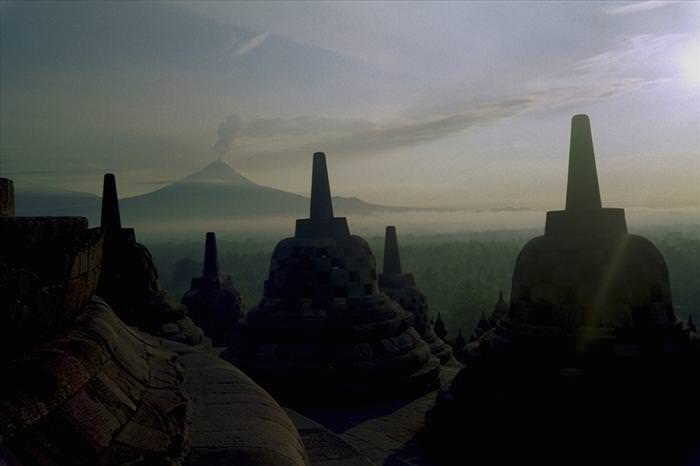
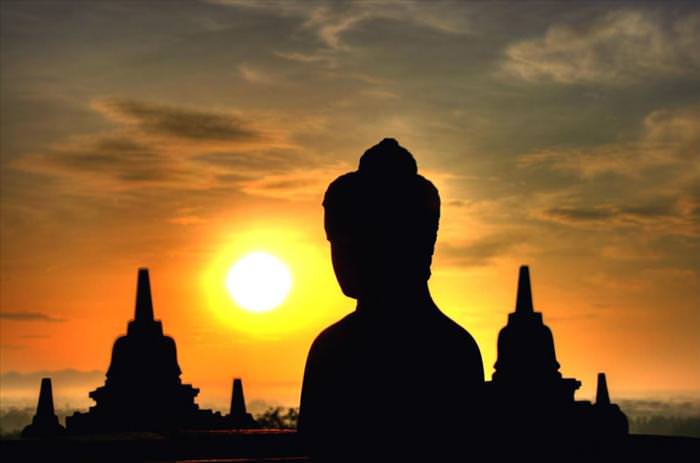
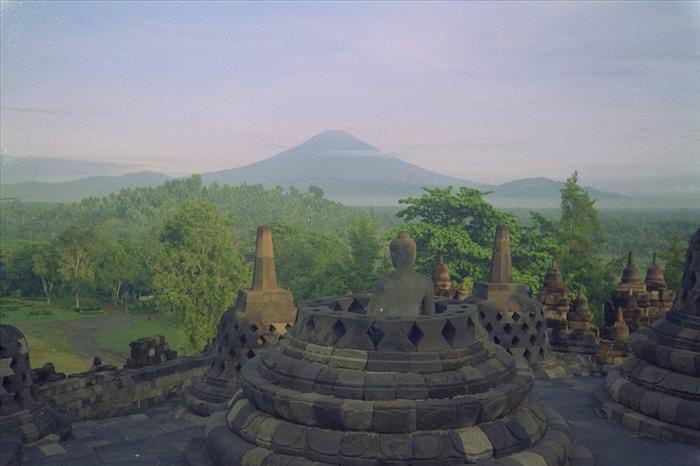
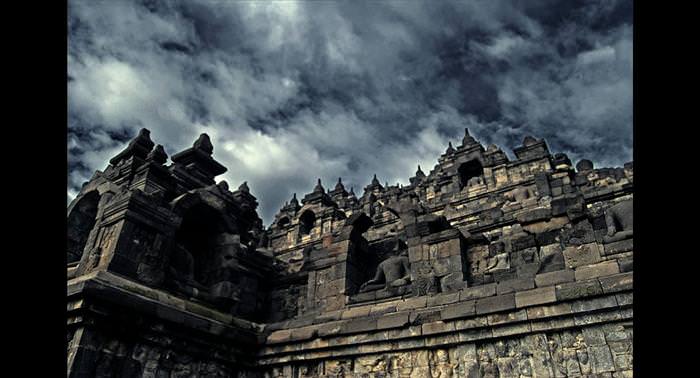
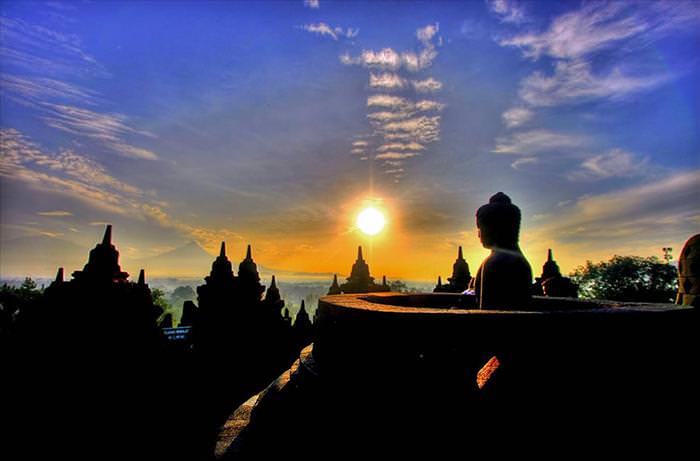
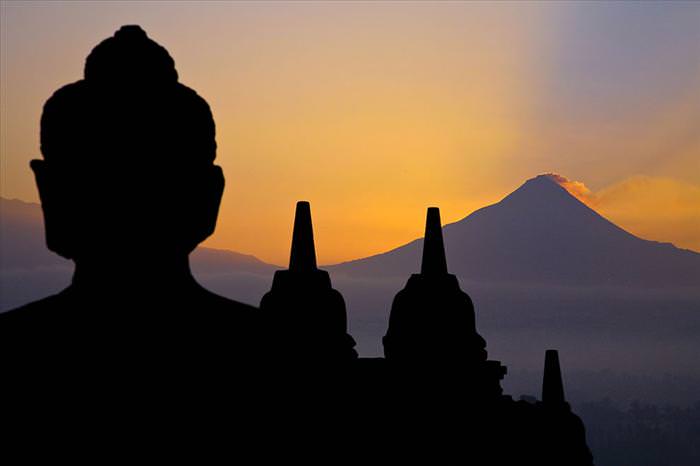
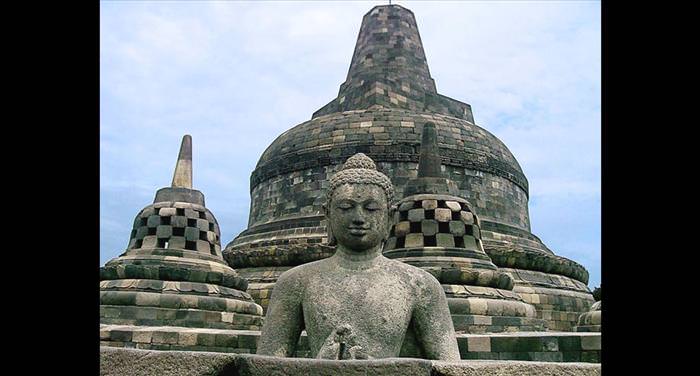
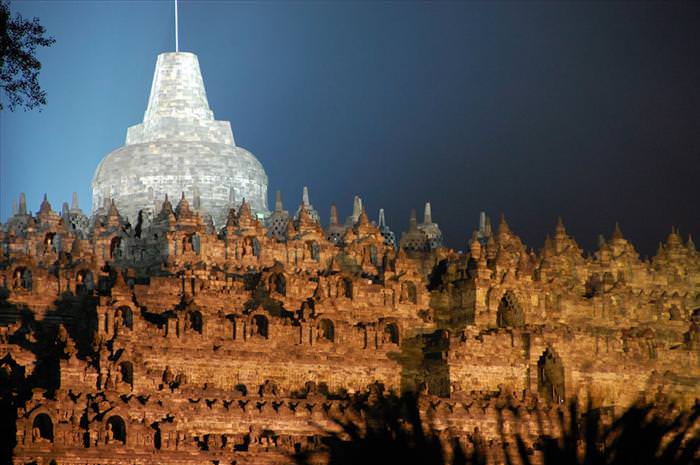
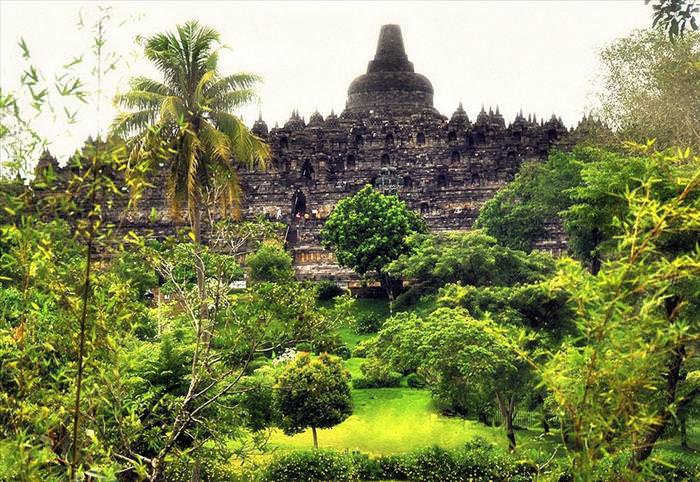
On the island of Java, Indonesia, there is a legend, still standing today. It is a mountain that has a secret over a thousand years old. Thousands of statues adorne its face, facing the many volcanoes that surround the ara. This is Borobudur, an ancient Buddhist temple complex, which was forgotten and abandoned for centuries, although no one knows why. In fact, it was forgotten for so long that it was hidden beneath volcanic ash and overgrown jungle for hundreds of years.
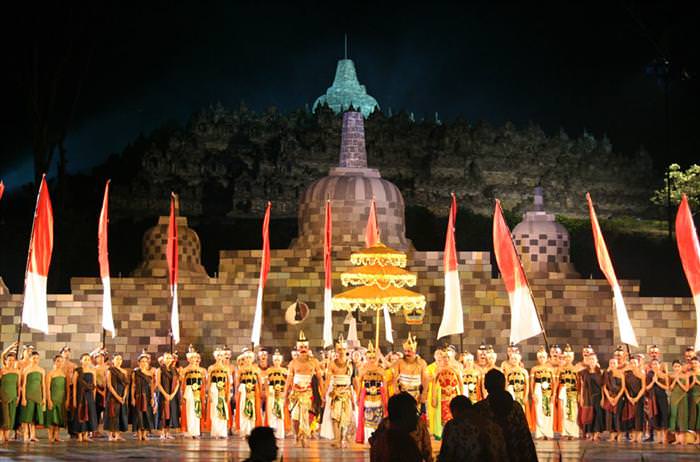
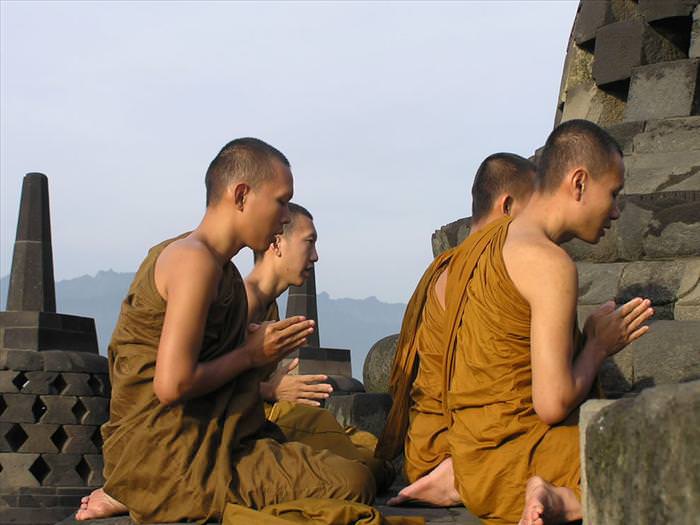
But now beautiful Borobudur is a hugely popular Buddhist monument. No one forgets it now, and so I got to enjoy, and share, this fantastic photo-tour with you.
The island of Java in Indonesia is home to a very special mountain. This mountain has over 1,000 statues scattered all around it. Borobudur is a mountain of mystic and mystery.
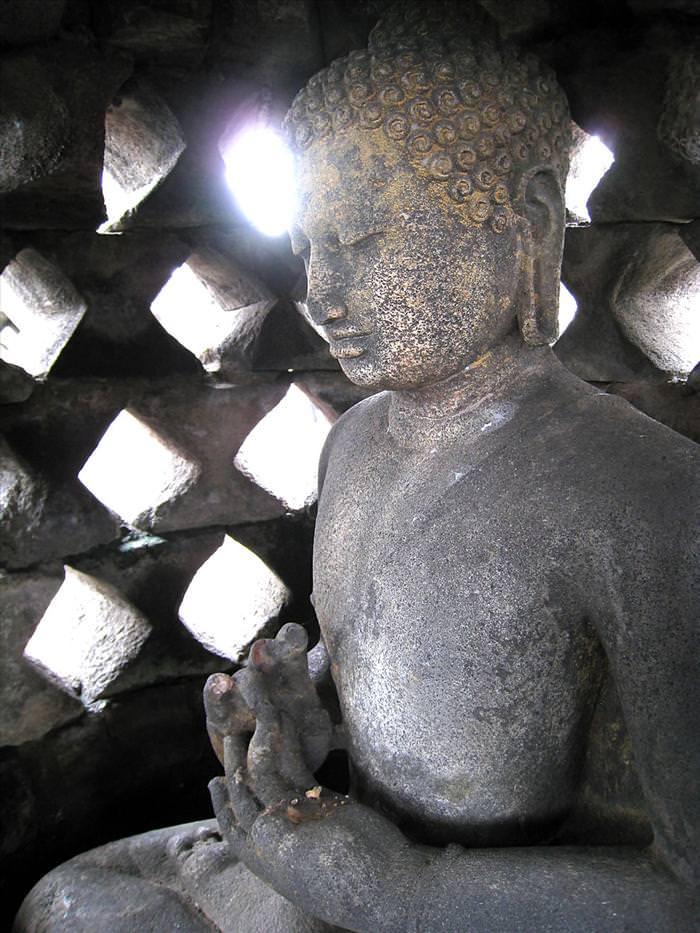
Borobudur was lost for many years until in 1814, a group of 200 men set a goal for themselves to find this mountain of legend. After six weeks of hacking and slashing their way through overgrown vegetation and volcanic ash and rubble, they found a strange stone statue. They another, then thousands of them! Today, we can see all of the figures standing on Borobudur.
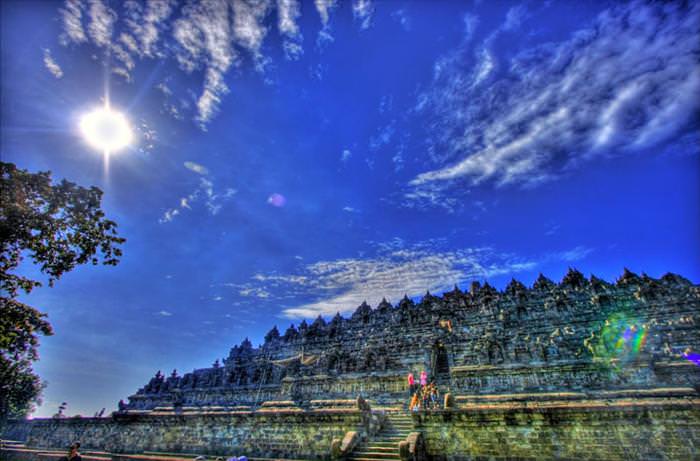
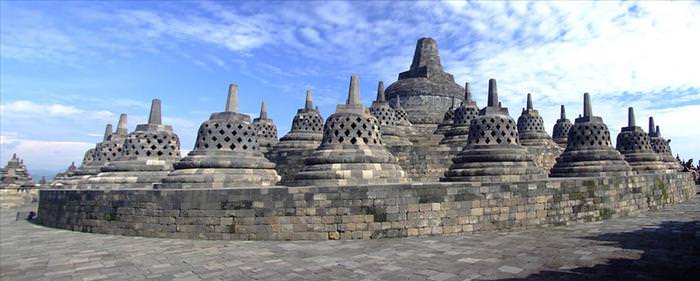
A great Panoramic view. So what happened after this place was abandoned? Well, according to Wikipedia: "folk stories gradually shifted from its past glory into more superstitious beliefs associated with bad luck and misery. Two old Javanese chronicles (babad) from the 18th century mention cases of bad luck associated with the monument.
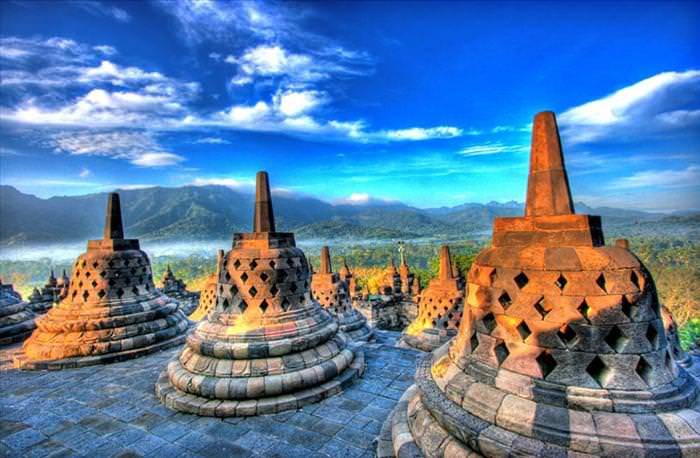
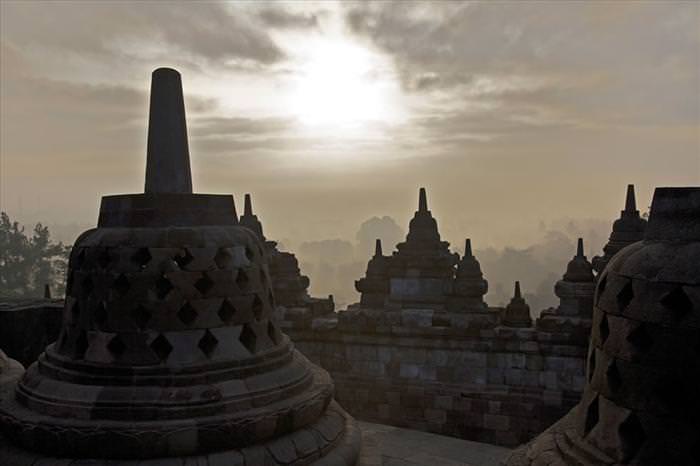
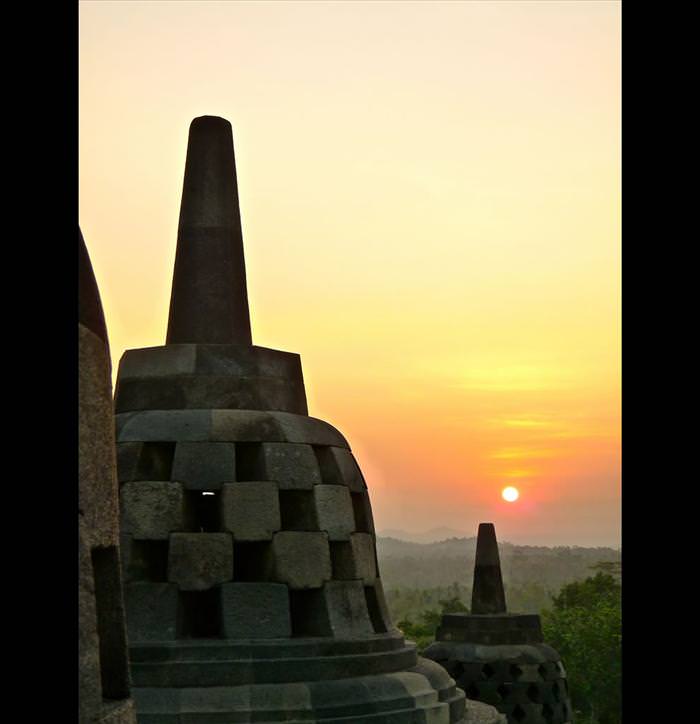
According to the Babad Tanah Jawi (or the History of Java), the monument was a fatal factor for Mas Dana, a rebel who revolted against Pakubuwono I, the king of Mataram in 1709. It was mentioned that the “Redi Borobudur” hill was besieged and the insurgents were defeated and sentenced to death by the king. In the Babad Mataram (or the History of the Mataram Kingdom), the monument was associated with the misfortune of Prince Monconagoro, the crown prince of the Yogyakarta Sultanate in 1757. In spite of a taboo against visiting the monument, ‘he took what is written as the knight who was captured in a cage (a statue in one of the perforated stupas)’. Upon returning to his palace, he fell ill and died one day later."
RSS
عضو شوید
عضویت سریع
آمار مطالب
آمار کاربران
کاربران آنلاین
آمار بازدید










 عضو شوید
 عضویت سریع
 آمار مطالب
 آمار بازدید