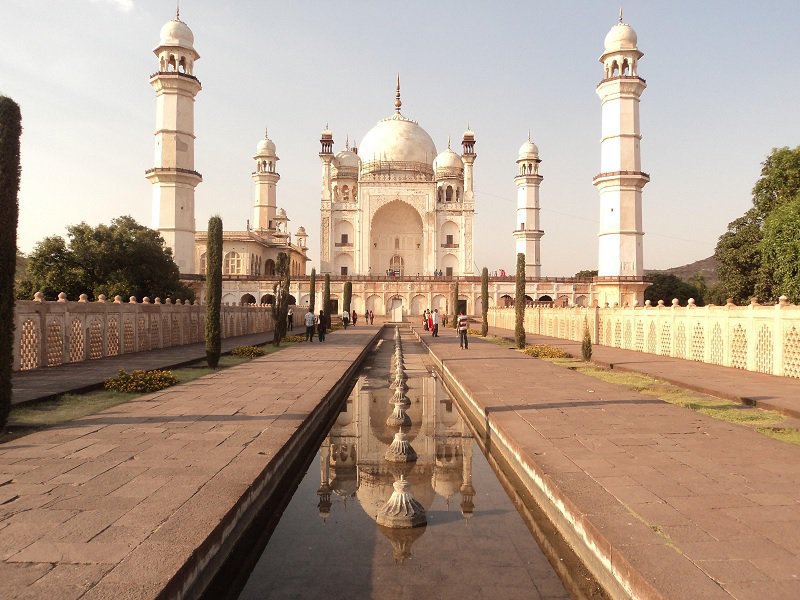
They say imitation is best form of flattery. The 'Mini Taj' proves the point. Built in the late 17th CE, within less than 30 years of its original inspiration, this modest monument has often been called 'Poor Man's Taj.' It was commissioned by Aurangzeb and built by one of his sons, Prince Azam Shah, in memory of his mother, the Emperor's first wife. Though it fades in comparison to its majestic inspiration, the Bibi Ka Maqbara emanates a certain charming humility.
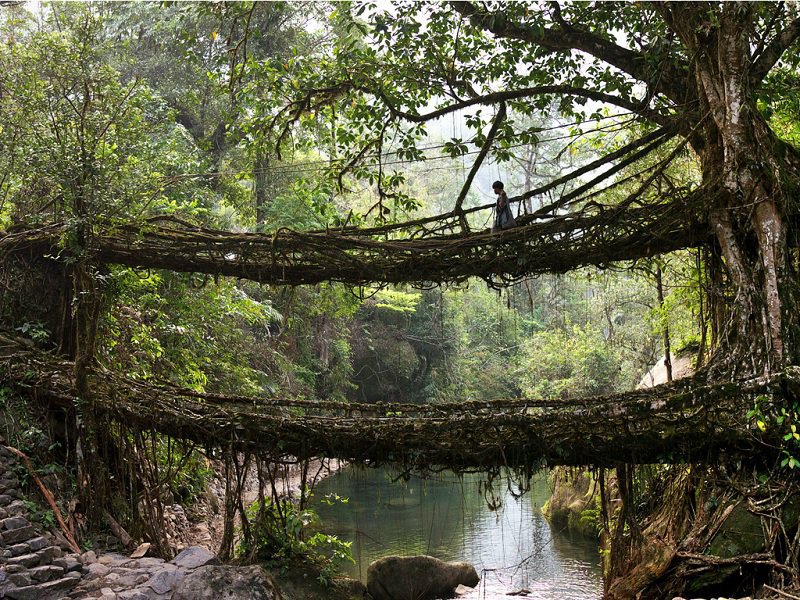
In Cherrapunji, Meghalaya, man has befriended nature and cajoled it into bending to his ways. People build bridges, but the Khasis of Meghalaya, they grow bridges. Ficus Elastica or the Rubber Tree produces strong secondary roots from their trunks. These have been trained to grow in a particular direction using betel-nut trunks, forming sturdy, living bridges over decades. Some of these bridges are more than a hundred feet long. The Umshiang Double Decker Bridge is truly one of a kind in the entire world. Some ancient root bridges are over 500 years old.
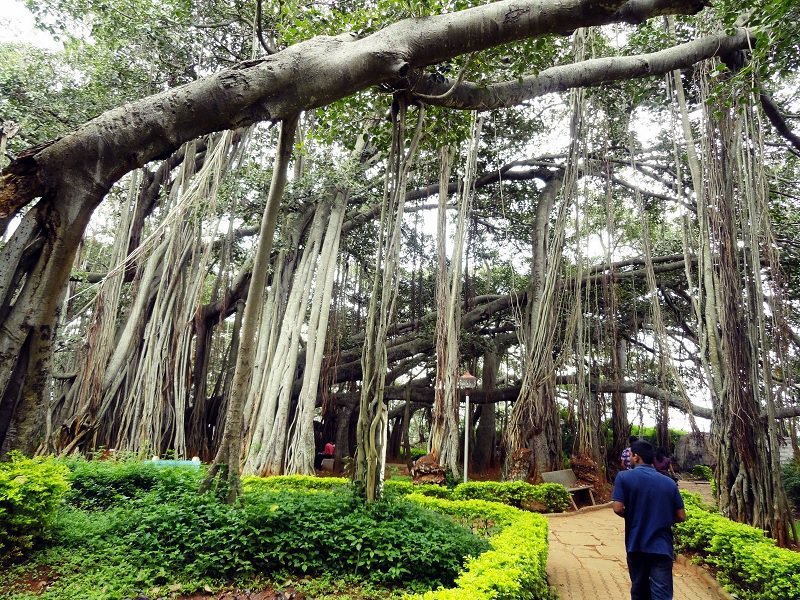
Near Kolkata, at the Acharya Jagadish Chandra Bose Botanical Garden, Howrah, lies another living proof nature's powerful glory. The 1250 year old Great Banyan Tree, with a canopy covering an area of 4 acres, is considered the widest tree in the world. After being struck by lightning, the tree was diseased. The trunk had to be removed in 1925. It continues to live without its main trunk, and has 3300 aerial roots reaching down to the ground. What appears to be a forest is actually one single tree. In his mind's eye, I'm sure this what Frost saw when he said, 'Lovely, dark and deep...'
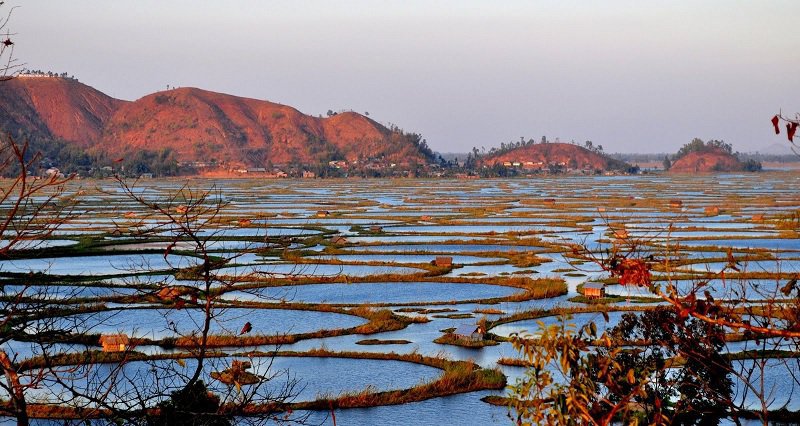
The largest freshwater lake in India's North-East, the Loktak Lake is a sight to behold. Because of its floating phumdis, it has been named the world's only floating lake. Apart from its scenic beauty, this lake plays a big role in Manipur's economy, serving as a source for hydropower generation, irrigation, drinking water supply and source of livelihood for local fishermen. The largest of all the phumdis, or floating islands on Loktak, is the Keibul Lamjao National Park, the last natural refuge of the endangered Manipur Brow-Antlered deer.
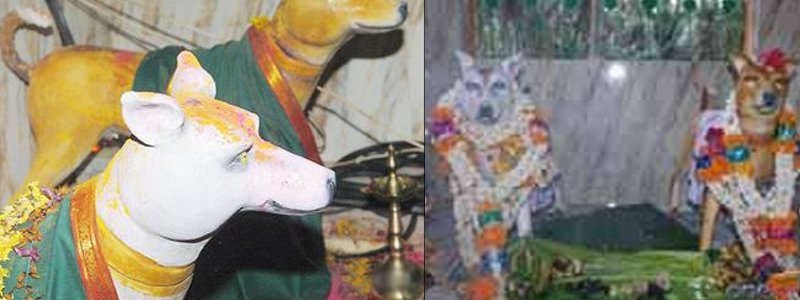
A community in Channapatna's Ramanagar district has erected an unusual temple in honour of man's best friend. Pujas are conducted seeking blessings of the Dog God. According to locals, the dog is considered good-natured and loyal, but at times he is also formidable. This Dog God is believed to work alongside the village diety.
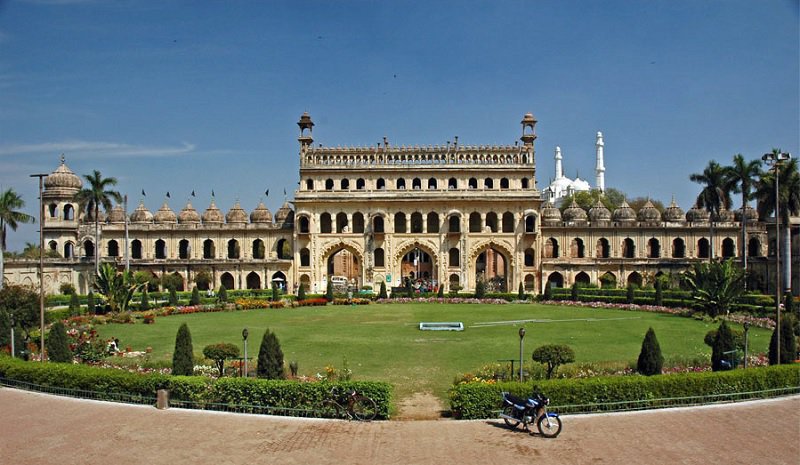
This architectural wonder dates back to the 18th CE. Nawab Asaf Ud Daulah created this marvel, blending European and Arabic architecture in perfect harmony. The central arched hall is 50 metres long and about three stories high, hanging without the support of any pillars or beams! The main hall is known for the architecture of the labyrinth or bhul-bhulaiya, with more than 1000 narrow staircase passages. The Imambara complex also houses lush gardens, a spectacular mosque and a baoli.
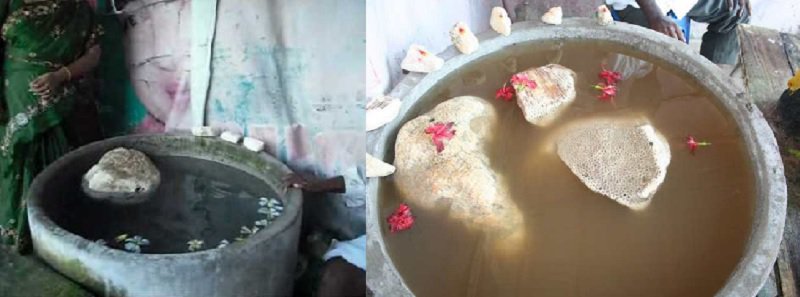
Located on Pamban Island, and separated from the Indian mainland by the Pamban Channel, the little town of Rameshwaram has great significance in Hindu mythology. It is from here that Rama is believed to have built a bridge across to Lanka to rescue Sita. Stones used to build this bridge had Rama's name engraved on them and they never sank in water. The curious fact is that such 'floating stones' are still found around Rameshwaram!
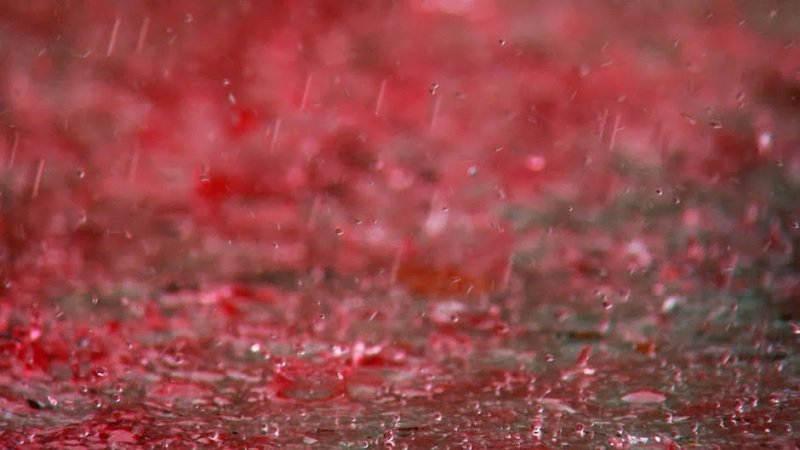
Apart from its delectable coastal curry, Idduki is also known for a strange phenomenon called 'Red Rain'. The first incident of Red Rain was recorded as early as 1818. Ever since, Idukki has witness this unusual sight intermittently. Idukki has been classified a 'Red Region'. In Hinduism, red rain is the wrath of the Gods, punishing sinners. It signals a wave of destruction and woe. Some believe the killing of innocents leads to red rain. Scientists are yet to come up with an explanation.
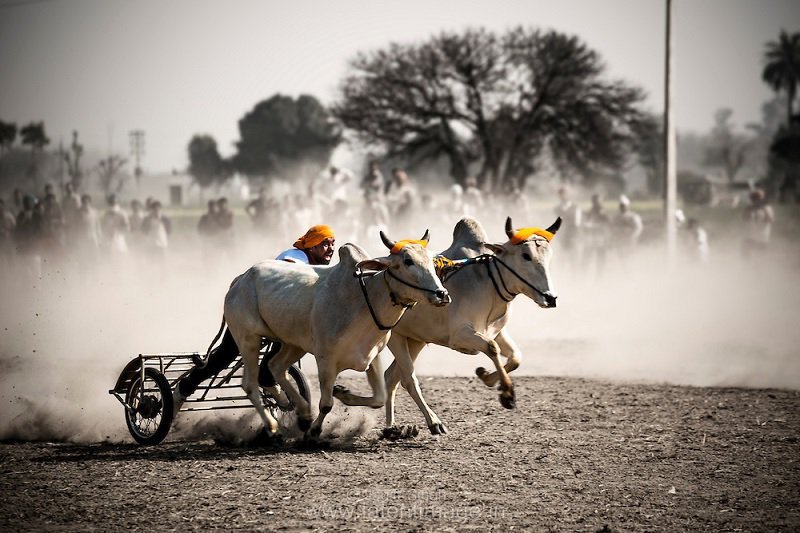
During February every year, Kila Raipur village in Ludhiana is buzzing with energy. Locals and tourists come together to witness a recreational sports meet of farmers in and around Kila. The Rural Olympics was a brainchild of philantropist Inder Singh Grewal. It was conceived as early as 1933. Bullock racing, tent pegging, Gatka, camels, mules and dog races are the main attractions. Punjabi folklore and cultural festivities also grace the event, making it a truly exhilarating experience.
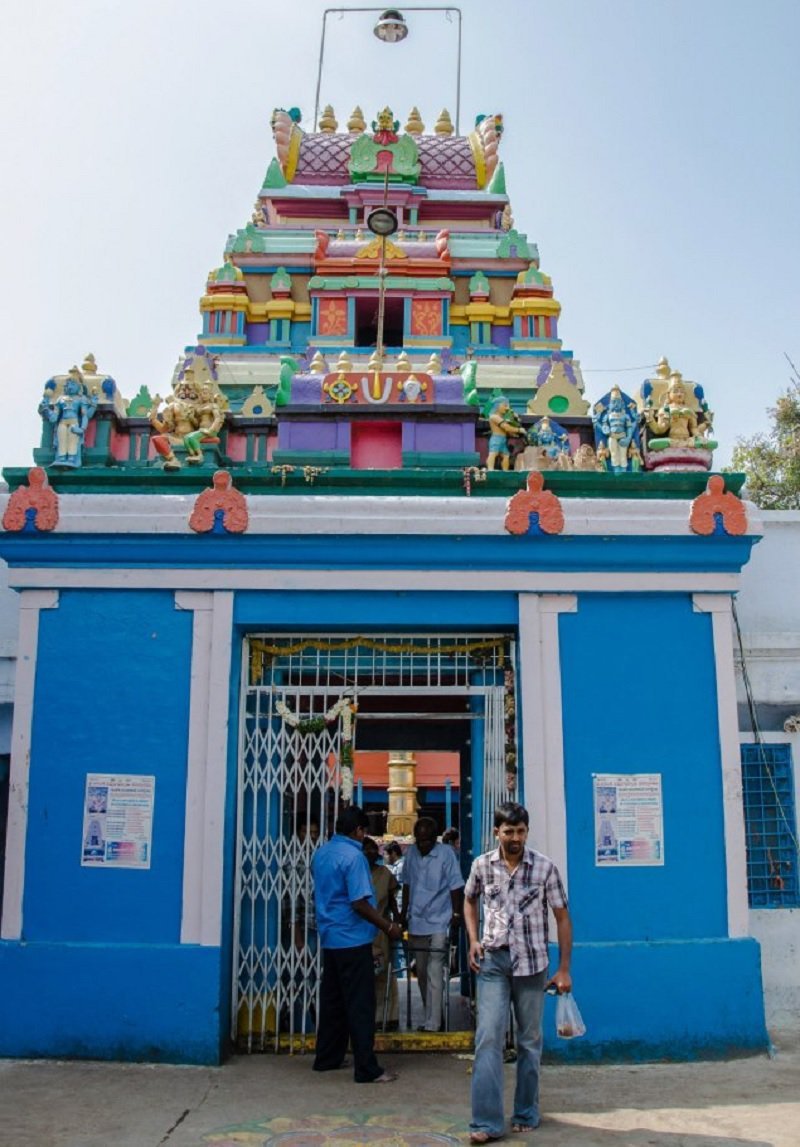
Some Gods bring you prosperity, some grant you protection, but the 21st CE God of the Balaji Temple in Chilkur, on the outskirts of Hyderabad, has the power to grant you a Visa to the US! Now popular as Visa Balaji Temple, many dollar-driven people, even those from other religions, come here to take the blessings of Visa Balaji before their Visa interviews. If they get a visa, they must keep their vow and take 108 rounds of the inner shrine. Laugh if you want, but this is one admirable example of an old world existing in a new one.
RSS
عضو شوید
عضویت سریع
آمار مطالب
آمار کاربران
کاربران آنلاین
آمار بازدید










 عضو شوید
 عضویت سریع
 آمار مطالب
 آمار بازدید